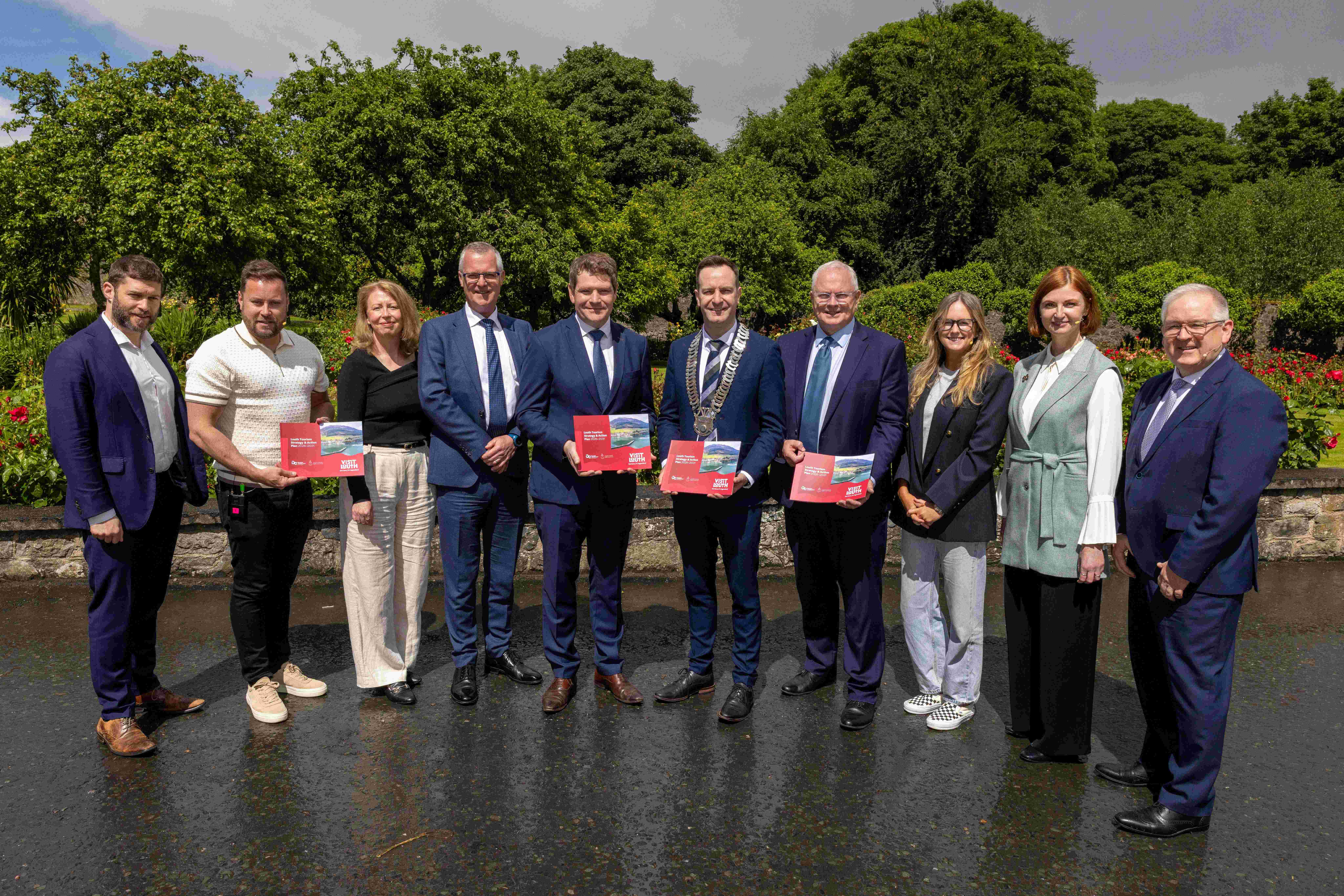
Led by Louth County Council, the strategy recognises tourism as a key driver of economic growth, job creation, and regional vitality.
For the M1 Corridor, tourism plays an important complementary role in strengthening the region’s appeal—not only as a visitor destination, but as a place to live, work, invest and do business.
Louth’s position between Dublin and Belfast, combined with its accessibility and quality of life, presents a compelling proposition for both visitors and investors.
The strategy leverages the county’s unique offering, including:
It also builds on Louth’s growing reputation in:
These strengths position Louth strongly within Ireland’s Ancient East, offering visitors a high-quality and authentic experience.
Louth County Council’s strategy outlines several priority areas to support sustainable growth, including:
Key projects identified include:
There is also a strong focus on strengthening the night-time economy, particularly in Drogheda.
While led by Louth County Council, the strategy is grounded in collaboration. It has been shaped through engagement with:
Ongoing delivery will involve partnership with organisations such as Fáilte Ireland and the wider tourism ecosystem—ensuring a joined-up approach to destination development.
This strategy reinforces County Louth’s role as a key destination within the M1 Corridor, contributing to a broader vision of a connected, vibrant, and competitive region.
Tourism enhances:
As Louth County Council drives forward this strategy, it further strengthens the corridor’s position as a dynamic location for growth and opportunity.
The Louth Tourism Strategy 2026–2031 provides a clear roadmap for the years ahead. Through leadership from Louth County Council, combined with strong collaboration and targeted investment, the county is well positioned to grow its tourism offering in a way that is sustainable, inclusive, and economically impactful.
For the M1 Corridor, this represents another important milestone in building a region that continues to thrive.